The crossing from Ardrossan to Brodick
A short crossing with a distinct change of focus: the northern hills first, then Holy Isle and the mouth of Lamlash Bay as Brodick draws near.
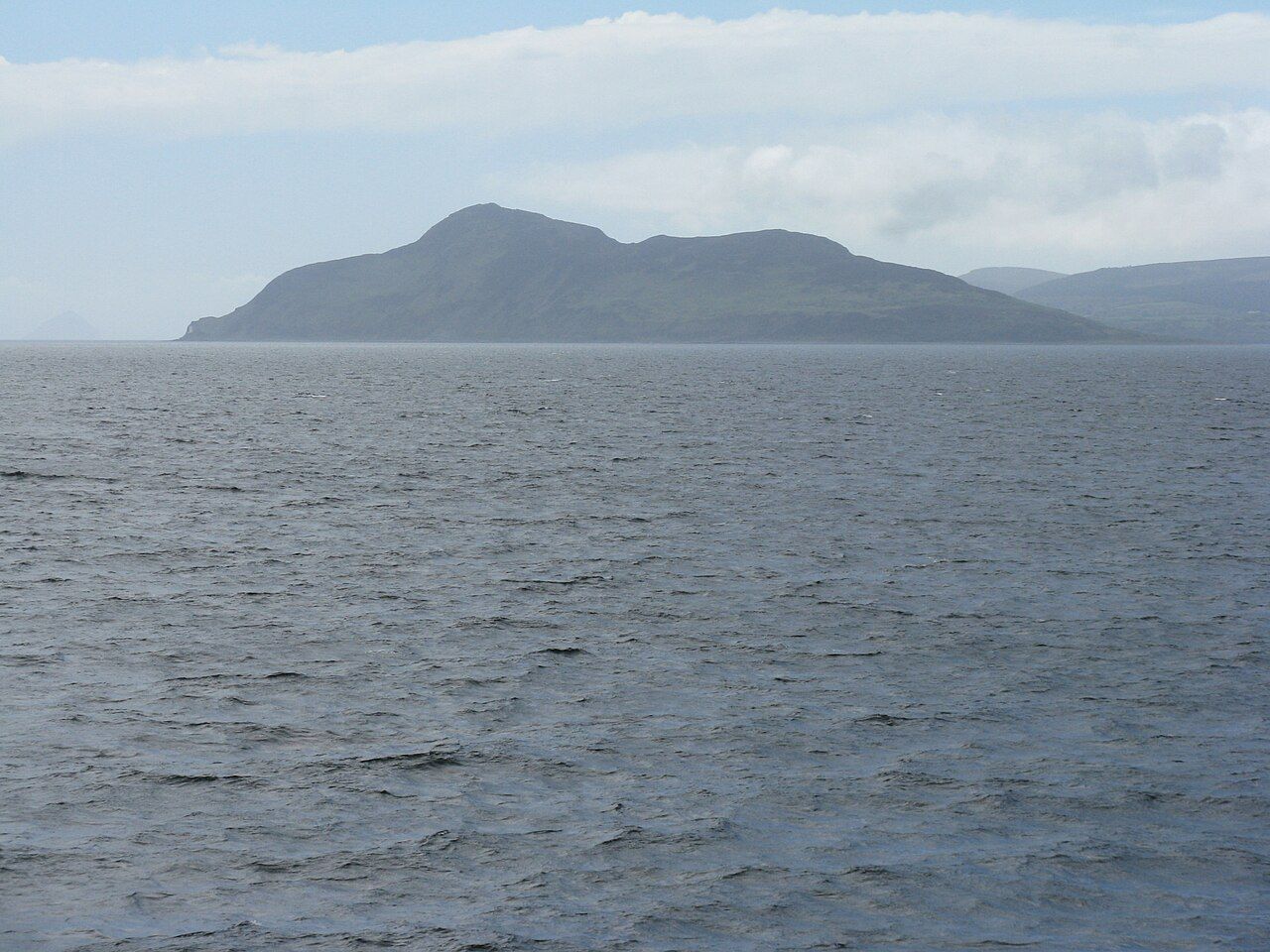
I find my attention goes first to the outline of the northern hills. From the deck, it is often called the Sleeping Warrior, a name that gives the skyline a character before Arran is even reached. The crossing is not merely the interval before the island; it is the first way of looking at it.
What is the crossing?
The main ferry route to Arran crosses the Firth of Clyde from Ardrossan to Brodick. It takes about fifty-five minutes. That is long enough for the view to matter, but short enough that the crossing can feel like a clear threshold rather than a separate excursion.
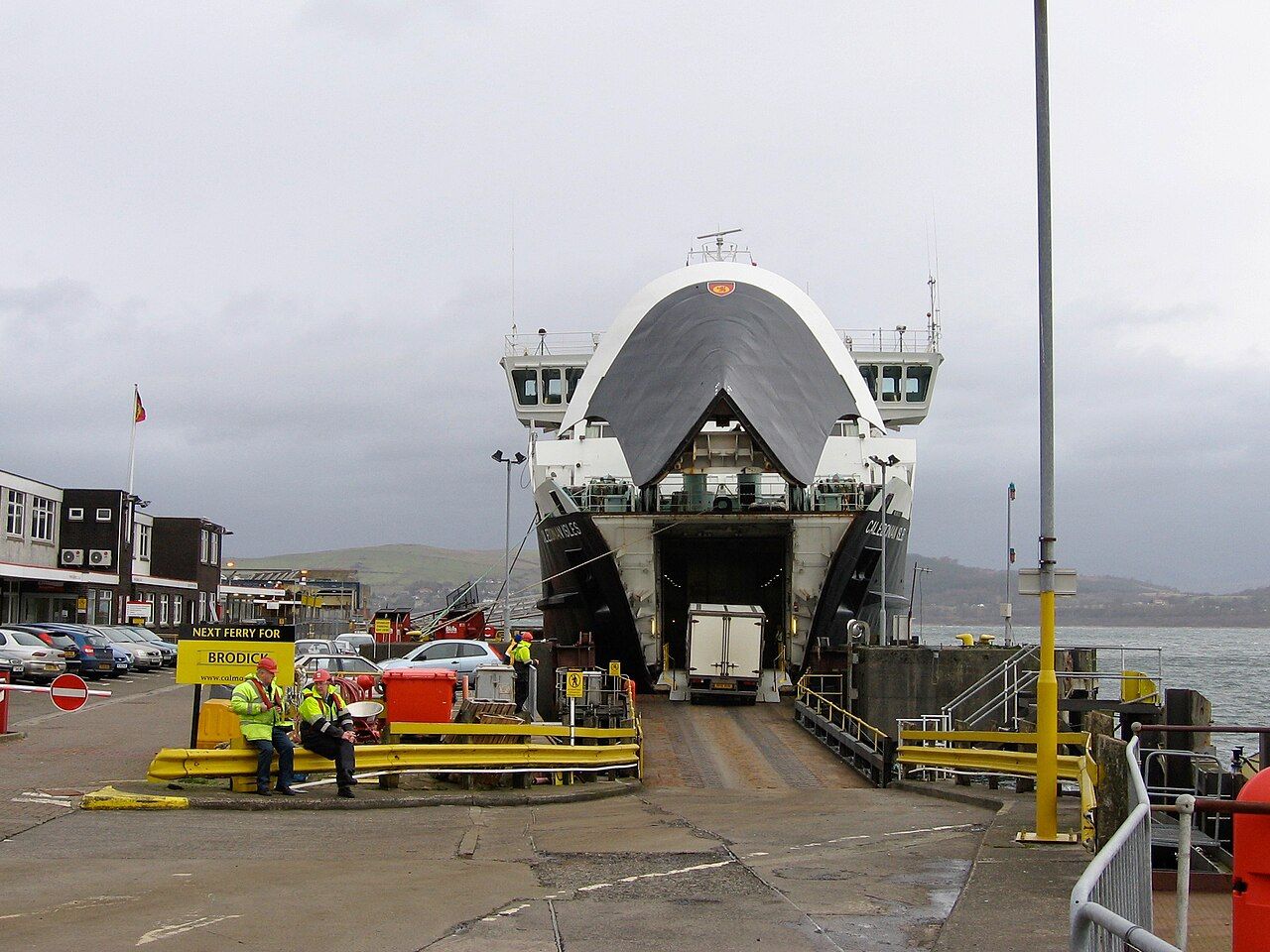
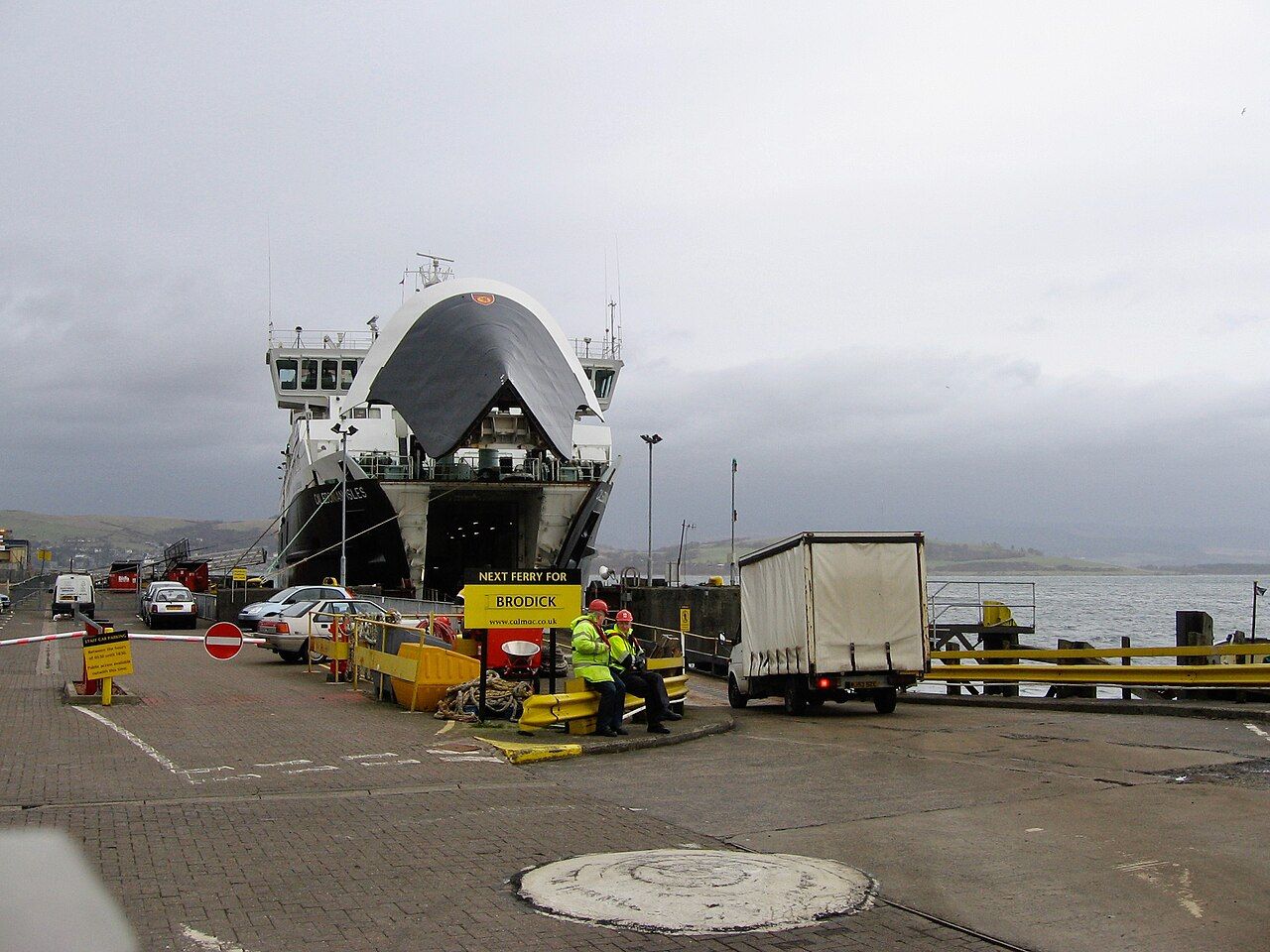
The route has a simple shape: departure from the mainland, the open stretch across the firth, then the island coming into focus. The ferry carries cars, foot passengers, cyclists and freight. That mix makes the crossing feel less like a sightseeing boat trip than a working connection. The view is there, but it is not staged for anyone.
What can be seen from the deck?
The strongest feature named on the crossing is the northern Arran skyline, with its familiar Sleeping Warrior outline. I prefer this kind of view to a long list of things to spot. The hills hold the eye, and the name gives the shape an easy point of recognition without explaining it away.
As the ferry nears Brodick, the view shifts south. Holy Isle and the mouth of Lamlash Bay come into view. That change is the useful detail: the crossing is not only a view of hills held at a distance, but also an approach in which the eastern side of Arran begins to take shape. The crossing is not merely the interval before Arran; it is the first way of looking at the island.

The crossing is not merely the interval before Arran; it is the first way of looking at the island.
For more on that view, read about the island seen from the deck. Holy Isle gives the approach a quality specific to this route, rather than a generic passage across water.
Is this the only ferry route to Arran?
It is the main route, but the facts of the crossing are not entirely fixed to one harbour. Sailings to Arran have at times run from Troon when Ardrossan harbour was unavailable. That is worth knowing as context, though the subject here remains the crossing from Ardrossan to Brodick and the view it offers.
The Arran ferries are run by Caledonian MacBrayne, whose timetables are on calmac.co.uk. Ardrossan harbour is linked to Glasgow by train. Those details frame the route, but they do not change what makes the crossing memorable: the view from the deck and the gradual arrival of the island.
There is also the northern ferry route. It is a separate route to keep in mind when considering Arran’s ferry connections, but it is not the crossing described here. Ardrossan to Brodick has its own logic, with the northern hills and the approach to Brodick giving it a clear visual sequence.

What makes the crossing worth noticing?
In 2025 the new ferry Glen Sannox entered service on the Ardrossan to Brodick route. The crossing carries people and freight as well as cars and cycles; it is a connection in ordinary use, not a ride arranged solely around the scenery. That practical role is a strength. The view does not have to carry the whole experience.
Still, it would be a mistake to treat the time aboard as empty space between two places. The Sleeping Warrior gives the first part of the crossing a recognisable outline. Holy Isle and the mouth of Lamlash Bay make the approach more particular. I would give the deck the attention it deserves, without expecting a parade of landmarks or a grand reveal.
How does it compare with the village at the pier?
The crossing and the village at the pier belong to the same arrival, but they offer different things. From the ferry, the view is broad and held at a distance. The village is the place named by the route’s destination. I find the crossing more interesting when it is allowed to be a passage in its own right, rather than judged only by what waits at the end.
That is the modest verdict. The Ardrossan to Brodick crossing is brief enough to be straightforward, yet it has a view that earns attention: the northern hills, then Holy Isle and the mouth of Lamlash Bay. When the ferry reaches Brodick, which part of the crossing stays in mind?