The potatoes that carry Arran’s name
Donald McKelvie bred potatoes at Lamlash and named them for Arran. Their journey from trial grounds to Britain makes a modest but telling piece of island history.
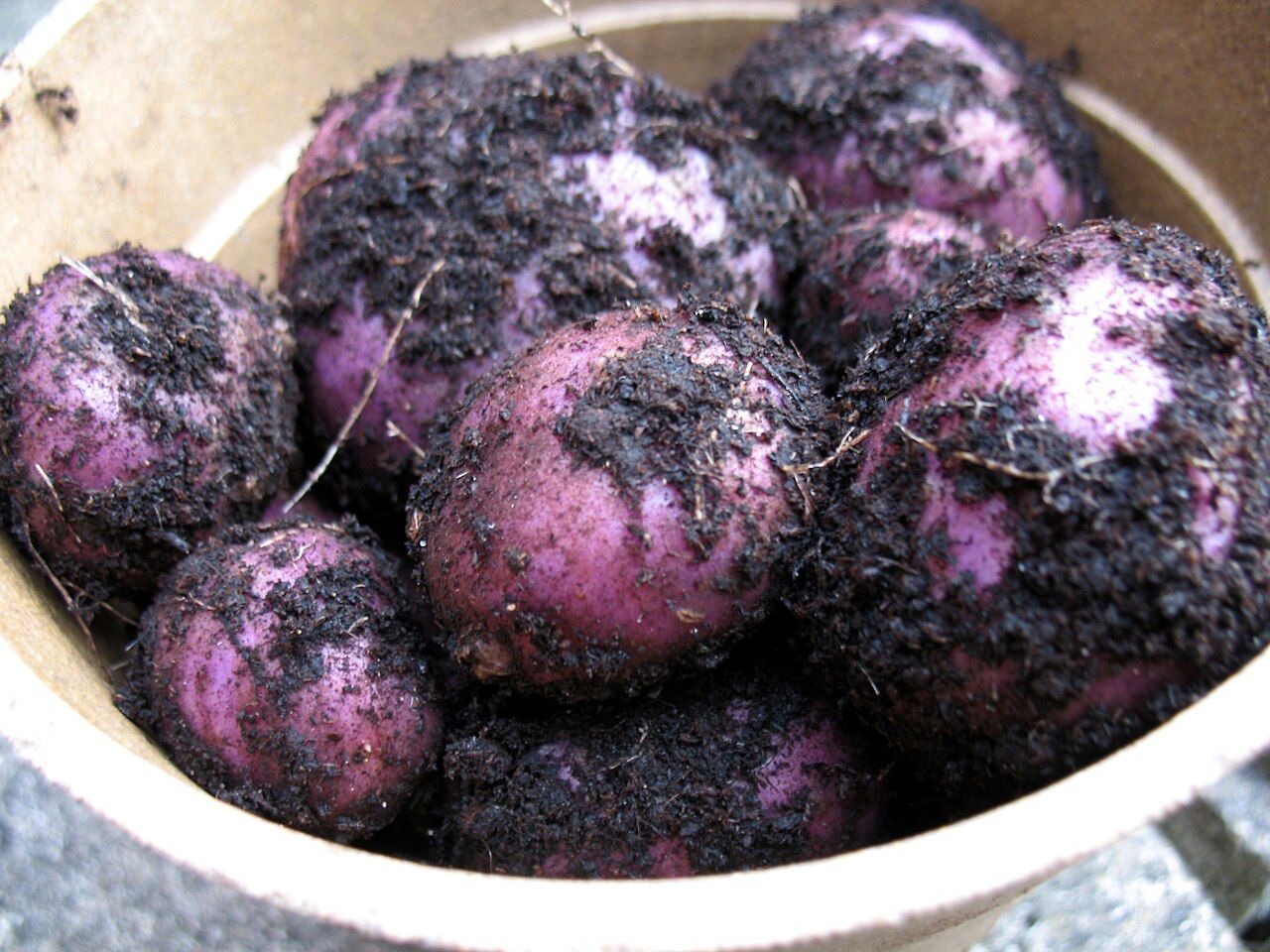
Arran Pilot, Arran Victory, Arran Banner. Read the names together and the island seems to travel with the potatoes. That is more than a pleasing detail: Donald McKelvie of Lamlash bred many varieties in the early twentieth century, naming them after Arran. I like this small, practical form of island history. It does not need a grand monument to make its point.
Who was Donald McKelvie?
McKelvie bred potatoes at his own trial grounds at Lamlash. The detail matters. These varieties were not simply given an island name after the fact; the work of breeding them was rooted there. The connection is specific, and stronger for being so. The village was where the varieties were bred: the village where they were bred.
There is a useful contrast between the modest setting and the scale of the names’ reach. McKelvie’s work was based at Lamlash, but some of the potatoes became widely grown far beyond Arran.
Why name potatoes after Arran?
The facts are plain: McKelvie named his varieties after the island, including Arran Pilot, Arran Victory and Arran Banner. I would not make the names carry more than they can. They do, however, make the link between a place and its food unusually easy to see. A variety can be both a crop and a small travelling label.
That sits well beside other parts of the island’s food story, including the island's dairy produce. The potato names are especially direct: Arran is not an allusion to decode but part of the variety names themselves.
What made Arran Victory distinctive?
Released in 1918, Arran Victory is a late potato with purple skin and white flesh. The contrast is memorable, but the more useful distinction is its place among McKelvie’s named varieties. Its name gives the island a place in the crop’s identity; its colour and flesh give the variety a character of its own.
There is no need to claim that every potato tells a sweeping story. This one offers a clear pairing: a variety developed at Lamlash, and a name that keeps Arran attached to it.
How far did the varieties travel?
Arran Pilot, released in 1930, became one of the most widely grown early potatoes in Britain. Arran Banner was grown widely in Britain and abroad in the mid-twentieth century. Those are substantial reaches for names that began with one island. The story is not only about local pride; it is also about varieties that found a much wider place.
Arran Pilot and Arran Victory are still grown by gardeners in Britain. That continued cultivation gives the history a present tense, without requiring a claim that the varieties are unchanged or universally grown. The names remain attached to real potatoes, not just to a chapter in McKelvie’s story.
Why does this matter to Arran?
Seed potato growing was important to farming in Scotland because the cooler climate keeps crops healthier. That fact puts McKelvie’s work into a wider agricultural setting, though the story still has its own local focus: a breeder, his trial grounds at Lamlash and varieties named for the island.
Perhaps that is why the names hold my interest more than a grand claim about heritage would. They join practical work to a place, much as names on the island map can keep a sense of place visible. Arran Pilot and Arran Victory are still grown by gardeners in Britain; Arran Banner once travelled widely beyond it. What other island history might be hiding in a name on a seed packet?